Key Takeaways
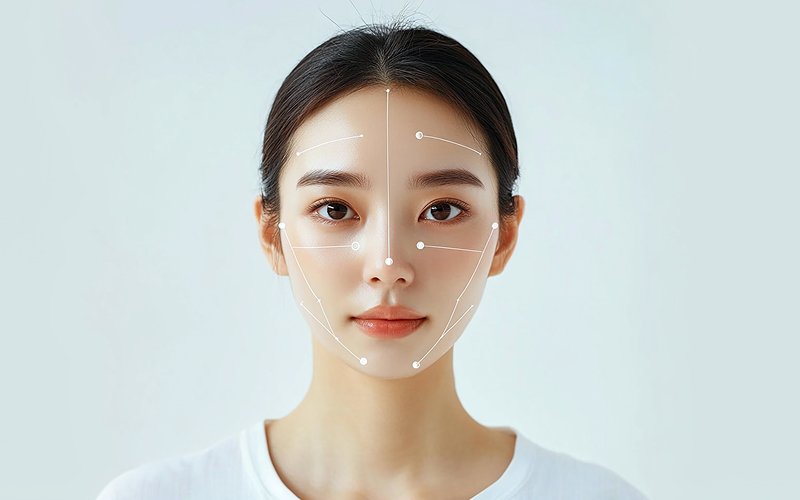
- A proportionate face is not about copying a trend or chasing a perfectly symmetrical appearance. It is about how the forehead, cheeks, nose, lips, chin, jawline, and skin quality work together.
- Non-surgical treatments may be considered when volume loss, muscle activity, skin laxity, or uneven contour affects the appearance of certain facial features.
- Dermal fillers, botulinum toxin injections, and energy-based skin tightening treatments work differently, so they are not interchangeable.
- A consultation at an aesthetic clinic should involve more than identifying one “problem area”. It should consider your facial structure, skin condition, medical history, and expectations.
- Injectable treatments should only be performed by qualified medical practitioners, using products that are appropriately regulated for supply in Singapore.
Introduction
It is common to notice one facial feature more than the rest. A chin may seem less defined in photographs. The cheeks may appear flatter than before. Lines around the forehead or mouth may draw attention away from features you used to like.
Before considering any treatment, it is worth setting realistic expectations. Non-surgical procedures are limited by the realities of facial anatomy, skin quality, tissue support, ageing changes, and the body’s response to treatment. They cannot create perfect symmetry, reproduce a filtered image, or alter every aspect of facial structure. Most faces also have natural differences between the left and right sides, and small degrees of asymmetry are often not noticeable in everyday interactions.
For individuals exploring facial balancing, commonly discussed non-surgical options include dermal fillers, botulinum toxin injections, and skin-tightening treatments that use energy sources such as ultrasound or radiofrequency.
Dermal fillers may be considered for areas such as the cheeks, chin, lips, or jawline when volume loss or reduced definition is present. Botulinum toxin injections may be used where repeated muscle activity contributes to expression lines or a broader lower-face appearance. Skin-tightening treatments may be considered for mild skin laxity affecting facial contours.
These concerns are often described online using terms such as “Instagram face”, “facial balancing”, or “facial sculpting”. A more proportionate face is not based on achieving the same look as someone else. It involves considering your natural bone structure, facial movement, skin quality, and the relationship between different areas of the face.
Depending on the individual assessment, non-surgical treatments may be used to refine selected features, restore age-related volume changes, or address mild skin laxity, rather than achieving perfect facial symmetry.
Non-Surgical Treatments Used to Address Facial Proportions
A proportionate face is not defined by one feature alone. The cheeks, chin, jawline, forehead, lips, and skin quality all affect overall facial harmony. A less projecting chin may draw more attention to the nose in profile. Reduced cheek volume may make the lower face appear heavier. A broader jaw may be linked to strong chewing muscles rather than facial fat.
Non-surgical aesthetic treatments are medical procedures that may be used to address selected causes of these concerns without surgical incisions. Depending on individual assessment, they may be considered for volume changes, dynamic wrinkles, muscle prominence, skin laxity, or contour differences that affect the overall relationship between facial features.
The treatment choice should be based on what is causing the imbalance, rather than the feature a person wants to change first. For example, a less-defined jawline may be related to chin projection, loose skin, facial fat distribution, strong masseter muscles, or a combination of factors. Treating only one area without assessing the rest of the face may not provide a balanced change.
Dermal Fillers for Facial Volume and Contour
Dermal fillers are injectable products used to add or restore volume in selected areas of the face. They may be considered for areas such as the cheeks, temples, lips, chin, jawline, and under-eye region.
Age-related changes in facial fat, collagen, bone support, and skin elasticity can alter the way facial features relate to one another. Cheeks may appear flatter, temples may look more hollow, and the lower face may seem heavier when mid-face support reduces. In these situations, filler may be considered to restore volume and support a more proportionate face.
For example, chin filler may be discussed where reduced chin projection affects the side profile or makes the jawline appear less distinct. Cheek filler may be considered when loss of mid-face volume changes the balance between the cheeks and lower face. The aim is not to add volume to every area, but to assess whether selective treatment may improve the relationship between features.
More filler is not necessarily better. An “overfilled face” can occur when volume is added without adequate consideration of facial movement, tissue quality, existing proportions, or whether volume loss is actually the main concern. Dermal fillers may also be unsuitable for individuals with active skin infections, certain medical conditions, or unrealistic expectations for injectable treatment.
Botulinum Toxin Injections and Facial Balance
Botulinum toxin injections temporarily reduce activity in selected facial muscles. They are commonly considered for expression lines, such as forehead lines, frown lines, and crow’s feet, but may also be relevant when muscle activity affects facial contour.
For example, enlarged masseter muscles can make the lower face appear wider in some individuals. Where this is due to muscle bulk rather than bone structure or facial fat, botulinum toxin injections may be considered to reduce muscle activity over time. This may alter how the lower face sits in relation to the cheeks, chin, and upper face.
Treatment may also be discussed for selected muscles around the chin, mouth, or jawline where repeated contractions create tension, downward pull, or an uneven appearance during facial movement. The purpose is not to remove all movement or make both sides of the face identical. Small differences in eyebrow height, smile movement, and jaw shape are common.
Botulinum toxin injections may not be appropriate when the concern is primarily due to skin laxity, significant volume loss, or underlying skeletal structure. A doctor should assess facial movement and muscle strength before recommending treatment, particularly for concerns involving the eyebrows, eyelids, mouth, chin, or jawline.
Skin Tightening Treatments for Laxity and Jawline Definition
A softer jawline does not always mean more volume is needed. Mild skin laxity around the cheeks, jowls, neck, or under-chin area can make the lower face appear heavier or less defined in relation to the upper face. When reduced firmness is the main concern, energy-based skin tightening may be considered as part of a plan to achieve a more proportionate face.
Ultrasound-Based Treatments for Deeper Support
Ultrasound-based treatments, including HIFU face treatment and micro-focused ultrasound, direct focused energy to selected depths beneath the skin. They may be considered for individuals with early-to-moderate laxity who are concerned that the cheeks, jawline, brow area, or neck appear less defined than before.
Reduced support around the mid-face may make the lower face appear broader or more prominent, even when there is no major volume loss or lack of chin projection. Depending on the device and treatment plan, ultrasound may be discussed where deeper tissue support is relevant to the concern.
Radiofrequency Treatments for Skin Firmness and Texture
Ultrasound-based devices can differ in how they deliver energy and the depths they are designed to target, so suitability depends on the individual concern and the technology used.
Radiofrequency treatments, like Thermage skin tightening, use controlled radiofrequency energy to heat the skin’s collagen-rich layers. They may be considered where fine lines, crepey skin, texture changes, or general loss of firmness soften the visual definition between facial areas.
This may be relevant when the facial structure is relatively balanced, but changes in skin quality make the transition between the cheeks, jawline, and neck look less distinct. In these cases, radiofrequency may be discussed where the focus is on skin firmness and surface texture rather than creating deeper contour changes.
When Skin Tightening May Be Considered
Energy-based skin tightening may be considered when mild laxity affects the relationship among the upper, mid, and lower face. Early jowling, reduced cheek firmness, a softer jawline, or loose-looking neck skin may change facial contours without necessarily requiring added volume.
It may be less suitable for significant sagging, pronounced volume loss, or concerns that are primarily related to facial bone structure. Suitability depends on factors such as the degree of laxity, skin quality, age-related changes, and what can realistically be addressed with non-surgical treatment.
Why Skin Tightening Is Not Interchangeable With Fillers or Botulinum Toxin Injections
Skin-tightening treatments do not add projection to a recessed chin, restore substantial cheek volume, or reduce strong masseter muscles that contribute to a wider lower face appearance. Similarly, fillers and botulinum toxin injections do not treat laxity in the same way as energy-based treatments.
A doctor may recommend ultrasound, radiofrequency, fillers, botulinum toxin injections, or a staged combination of approaches only after identifying what is affecting facial balance. Treatment planning should begin with the cause of the concern, not with the procedure that is most familiar or widely discussed online.
When Non-Surgical Treatment May Not Be Suitable
Some asymmetry is natural and may not require treatment. Other concerns may be linked to significant skin laxity, skeletal structure, dental or bite-related issues, active skin disease, or expectations shaped by edited photographs. In these situations, a non-surgical procedure may offer limited change or may not be appropriate.
An assessment should clarify what may be adjusted, what is unlikely to change, and whether it is better to observe, treat a different underlying concern, or consider another medical approach.
Why Medical Assessment Matters
Consultation at a clinic should include an assessment of the area of concern, the likely cause, your medical history, and whether treatment is appropriate at that time.
A doctor may also explain why a requested treatment is not the most suitable option. For example, filler may not be recommended when the primary concern is skin laxity, while skin tightening may not be the first consideration for a chin lacking projection.
Dr Valentin Low adopts a doctor-led approach to facial, skin, body, and hair concerns. We can help you assess whether your concern is related to volume, muscle activity, skin laxity, or another factor before discussing a treatment plan.
Conclusion
Non-surgical treatments may improve the appearance of facial proportions by addressing specific concerns such as volume loss, strong muscle activity, or mild skin laxity. They should not be approached as a quick way to copy a celebrity look or correct every natural asymmetry.
Working towards a more proportionate face requires careful assessment, realistic expectations, and treatment choices that suit your own facial structure.
If you are considering dermal fillers, botulinum toxin injections, or skin tightening treatments, contact us to arrange a consultation and discuss which options may be suitable for your concerns.
Frequently Asked Questions
Can non-surgical treatments make my face look more balanced?
Non-surgical treatments may be considered when concerns such as volume loss, strong jaw muscles, dynamic wrinkles, or mild skin laxity affect the appearance of certain facial areas. The approach depends on what is contributing to the concern. For example, fillers may be discussed for areas with reduced volume, while botulinum toxin injections may be considered where muscle activity affects facial contour.
Are dermal fillers and botulinum toxin injections used for the same concerns?
No. Dermal fillers are generally used to add or restore volume in areas such as the cheeks, chin, lips, or jawline. Botulinum toxin injections work differently by temporarily reducing activity in selected muscles. They may be considered for expression lines or concerns related to muscle prominence, such as a broader lower face caused by enlarged masseter muscles.
Will non-surgical treatment make my face perfectly symmetrical?
Most faces are naturally asymmetrical, and treatment is not usually intended to make both sides identical. A doctor may assess whether a visible difference is linked to facial movement, volume distribution, skin laxity, or underlying bone structure. The aim is typically to refine selected areas in a way that remains appropriate for your natural features.
How long do non-surgical facial treatments last?
Duration varies according to the treatment type, treatment area, product used, metabolism, skin condition, and individual response. Some injectable treatments may require maintenance sessions, while collagen-stimulating treatments may take time to develop. During a consultation, your doctor can explain what may be realistic for the treatment you are considering.
What should I ask during a consultation?
Useful questions include what is causing the concern, which treatment options may be suitable, what the treatment involves, possible side effects, expected downtime, and whether follow-up is required. You should also disclose your medical history, medications, allergies, and any past aesthetic procedures. Injectable treatments carry risks and should be administered by appropriately qualified medical practitioners.
 Dr Valentin Aesthetic And Laser Clinic Sg