Key Takeaways
- Facial changes after significant weight loss are usually linked to reduced facial fat volume and changes in skin support, rather than the medication directly causing premature ageing.
- Hollow cheeks, under-eye shadows, deeper folds, softer jawline definition, and looser-looking skin may develop at different rates depending on age, skin quality, facial structure, and the speed of weight loss.
- Non-surgical options may address different parts of the concern. Skin-tightening treatments may be considered for mild laxity, while volume restoration may be considered where facial hollowing is more prominent.
- Weight stability, nutrition, hydration, and overall medical health should be considered before planning aesthetic treatment. Treating while substantial weight loss is ongoing may require a more cautious approach.
- A medical consultation is useful because not every facial change should be treated in the same way. A doctor can assess whether the main concern is volume loss, skin laxity, skin quality, or a combination of these factors.
What is Ozempic Face?
“Ozempic face” is an informal term widely used online to describe a leaner, hollower, or more tired-looking face after substantial weight loss. Although the phrase uses the Ozempic brand name, these facial changes are not unique to one medicine. They may also occur with rapid dietary weight loss, bariatric surgery, illness, or other situations that reduce body fat quickly.
In Singapore, Ozempic is prescribed for adults with insufficiently controlled Type 2 diabetes. Semaglutide medicines may also be prescribed for weight management under specific medical circumstances. Regardless of the medication or weight-loss method involved, a droopy Ozempic face is usually linked to a reduction in fat volume beneath the skin and changes in how the skin adapts to that loss.
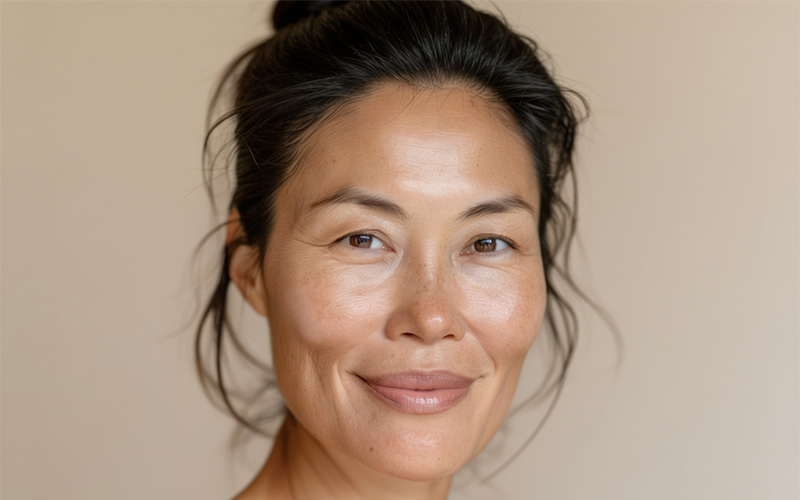
For many people, the issue is not simply looking slimmer. Cheeks may appear flatter, the temples may look more hollow, and the lower face may lose some definition. This can create an appearance that feels less refreshed than expected after weight loss.
What Causes a Droopy Facial Appearance After Rapid Weight Loss?
The face contains fat pads that contribute to smooth contours around the cheeks, temples, under-eye area, and jawline. When body fat decreases quickly, volume may also reduce in these facial areas.
This can contribute to:
- Hollow or flatter cheeks
- Sunken temples
- More noticeable smile lines and folds
- Under-eye shadows
- Reduced jawline definition
- Looser-looking skin around the cheeks and lower face
- A generally tired or gaunt appearance
Age also plays a role. Collagen and elastin, which support skin firmness and elasticity, naturally decline over time. When volume decreases quickly, the skin may not tighten at the same pace. This may be more noticeable in people who already have thinner skin or existing skin laxity from rapid weight loss.
Common Signs of Droopy Ozempic Face
A droopy face concern after Ozempic can present differently depending on facial structure, age, weight-loss pattern, and skin quality. A doctor’s assessment is important because facial volume loss and skin laxity do not always require the same approach.
These are common signs that doctors assess for facial changes after weight loss:
Volume Loss
Volume loss is often seen as flatter cheeks, hollow temples, under-eye shadows, or a more angular appearance around the mid-face. Where this is the main concern, skin-tightening treatment alone may not restore the support that has been lost beneath the skin.
Skin Laxity
Skin laxity refers to looseness in the skin itself. It may be more noticeable around the lower cheeks, jawline, neck, or area beside the mouth. This can occur even where some facial volume remains. Treatments that support collagen remodelling may be discussed for mild laxity, but they may have limited value where there is substantial skin excess.
Skin Quality
Some people are mainly concerned about dullness, fine dehydration lines, uneven texture, or pigmentation that has become more visible after weight loss. These concerns involve the skin surface and its overall condition rather than facial support alone.
Reduced Jawline Definition
Volume loss and looser skin in the lower face may soften the jawline. This is one reason people researching facial sagging after weight loss may be concerned about their profile as well as their front-facing appearance.
Mixed Concerns
It is common to have more than one issue. For example, someone may have hollow cheeks, early jawline laxity, and dehydrated skin at the same time. In these cases, treatment may be planned in stages rather than trying to address every concern in one session.
How Non-Surgical Treatments May Help
Non-surgical treatment is not one single approach. The treatment considered should match the feature causing the concern, whether that is reduced volume, looser skin, poor skin quality, or a combination of these changes.
Skin Tightening Treatments
Skin-tightening treatments are generally considered when the main concern is mild facial laxity rather than marked hollowing. Treatments such as HIFU, Thermage FLX, and Ultherapy Prime use controlled ultrasound or radiofrequency energy to heat selected layers beneath the skin. This is intended to support collagen activity and gradual skin remodelling over time.
These treatments may be discussed for early sagging around the cheeks, jawline, lower face, or neck, particularly where the skin appears less firm but facial volume is still reasonably preserved. They are less likely to correct sunken cheeks or deep temple hollowing on their own because they do not replace volume that has been lost.
A doctor may also consider whether the skin is still changing due to ongoing weight loss. Where the face is continuing to lose volume, it may be more appropriate to review treatment timing before proceeding with a tightening-focused approach.
Collagen-Stimulating Treatments
Collagen-stimulating treatments are usually considered for people whose skin appears thinner, less elastic, or less resilient after weight reduction. These treatments work by creating controlled stimulation within selected layers of the skin, encouraging the body’s repair and collagen-remodelling processes over time.
They may be discussed where the concern is mild laxity, crepey texture, fine lines, or a general loss of skin firmness. They are not designed to recreate cheek volume, fill deep hollows, or correct substantial skin excess.
For some individuals, collagen stimulation may be planned alongside other treatment categories. For example, a person with early lower-face laxity and reduced mid-face support may require separate discussions about skin firmness and volume restoration, rather than relying on one treatment to address both concerns.
Facial Volume Restoration
Facial volume loss after Ozempic can be most noticeable around the cheeks, temples, under-eye area, chin, and jawline. Carefully planned volume restoration may help rebalance facial proportions and support areas that appear hollow or flattened.
The goal is usually conservative enhancement rather than an overfilled appearance. An aesthetic doctor should assess facial proportions, skin thickness, existing volume, and the stability of a person’s weight before recommending treatment. This helps avoid adding volume to areas that may not be the underlying cause of the concern.
Skin Boosters for Dehydrated and Tired-Looking Skin
Skin boosters are generally considered for skin-quality concerns such as dehydration, fine lines, roughness, or a dull complexion. They are intended to support hydration and improve the appearance of skin smoothness over time.
They may be useful where the face looks tired because the skin appears dry or less reflective, but they do not lift loose skin or replace significant facial volume. Someone with both dehydration and hollow cheeks may therefore need a broader discussion than skin boosters alone.
Laser Treatments for Overall Skin Rejuvenation
Laser treatments may be considered where uneven tone, pigmentation, fine lines, or textural irregularities have become more noticeable after weight loss. Depending on the laser approach used, controlled energy is delivered into targeted layers of the skin to support skin renewal and collagen activity.
Laser treatment may help address surface-level concerns such as dullness, pigmentation, and uneven texture. It is unlikely to restore cheek fullness or correct more established skin laxity on its own. This distinction matters for readers concerned about a droopy facial appearance after weight loss, as skin quality and facial structure often require different treatment discussions.
What Non-Surgical Treatment Can and Cannot Address
Many people prefer non-surgical treatment because it may involve less downtime and more gradual changes than surgical procedures. This may suit someone with early skin laxity, modest volume loss, or concerns that are mainly related to texture and hydration.
However, non-surgical treatment has limitations. It may not be sufficient for substantial skin excess, significant loss of facial support, or advanced sagging. It may also be less appropriate to begin treatment while weight loss remains rapid or unpredictable.
The practical question is not whether a treatment is non-surgical, but whether it addresses the feature that is actually bothering you. Hollow cheeks, loose lower-face skin, and pigmentation may all be visible at the same time, but they do not respond to the same treatment approach.
For individuals considering these options, an aesthetic centre with medical oversight can help clarify what each treatment is designed to address, the expected treatment process, and whether a non-surgical approach is appropriate for the degree of volume loss or skin laxity present.
The Importance of Individualised Assessment
A droopy Ozempic face should not be treated with a one-size-fits-all approach. Some people have mainly lost volume from the cheeks and temples. Others have more noticeable lower-face laxity, while some are primarily concerned about dehydrated or dull-looking skin.
A consultation at a medical aesthetic clinic should include an assessment of facial anatomy, skin quality, recent weight changes, medical history, and personal concerns. Weight stability is also relevant. Treating facial volume while weight loss is still ongoing may require a more cautious and staged approach.
Based on the consultation results, a doctor may advise on a treatment plan to address related concerns.
The Importance of Consulting a Medical Professional Before Seeking Treatment
Ozempic is a prescription medicine, and anyone using it should continue to follow the guidance of their prescribing doctor. The medicine is used for specific medical indications, and its use should not be changed or stopped solely because of aesthetic concerns.
Before pursuing treatment for any changes, it is sensible to discuss whether your weight has stabilised, whether nutrition and hydration need attention, and whether any medication-related or health factors should be considered. A doctor may also advise delaying or modifying aesthetic procedures depending on your overall medical condition.
Seek medical advice promptly if facial changes are accompanied by unexpected symptoms such as severe weakness, persistent vomiting, significant dehydration, or other concerns that may not be explained by ordinary weight loss.
Conclusion
A droopy Ozempic face appearance is commonly linked to facial volume loss, reduced skin support, and changes in skin quality following substantial weight reduction. It does not necessarily mean that a person needs treatment, but it can be helpful to understand what is contributing to the change before deciding on next steps.
Non-surgical treatments may be considered for suitable individuals who want to address volume loss, mild facial laxity, dullness, or reduced definition.
At Dr Valentin Low Aesthetic & Laser Clinic, a consultation can help identify whether skin tightening, collagen stimulation, volume restoration, skin boosters, laser treatments, or a combination approach may be appropriate for your facial structure and current concerns.
Contact us if you are experiencing noticeable changes in facial volume, skin firmness, or facial definition after weight loss.
Frequently Asked Questions
Is facial hollowing after weight loss permanent?
Not necessarily. Some changes may become less noticeable once weight stabilises and hydration, nutrition, and general health are addressed. However, the degree of recovery varies. Where volume loss or skin laxity remains a concern, non-surgical treatment may be considered after medical assessment.
Should I wait until my weight is stable before considering treatment?
In many cases, waiting until weight has stabilised can make treatment planning more predictable. Ongoing weight loss may continue to affect facial volume and skin support, which can influence the timing and type of treatment considered.
Can skin-tightening treatment replace lost facial volume?
Skin-tightening treatment and volume restoration serve different purposes. Skin-tightening approaches are generally considered for mild laxity and reduced firmness, while volume restoration may be discussed where hollowing in areas such as the cheeks or temples is more pronounced. Some individuals may require a combination approach.
Will treatment make my face look overfilled?
A conservative treatment plan should focus on facial balance rather than adding volume indiscriminately. The amount, placement, and type of treatment should be based on facial anatomy, skin quality, and the specific areas contributing to the concern.
When should I seek medical advice before an aesthetic procedure?
Speak with your prescribing doctor or a qualified medical professional if you are undergoing medical weight-loss treatment, have ongoing rapid weight loss, poor appetite, dehydration, nutritional concerns, or other health symptoms. A medical assessment can help determine whether treatment should proceed, be delayed, or be modified.
 Dr Valentin Aesthetic And Laser Clinic Sg