
Key Takeaways
- Is cellulite unhealthy? In most cases, no. Cellulite is a common, harmless change in skin texture rather than a disease.
- Cellulite can affect people of different weights, ages and fitness levels.
- Genetics, connective tissue structure, hormones and declining skin elasticity can influence its visibility.
- Exercise and weight management may reduce its appearance but cannot always remove it.
- Treatment may address dimpling, firmness and skin texture, although results vary and maintenance may be needed.
Why Cellulite Is Often Misunderstood
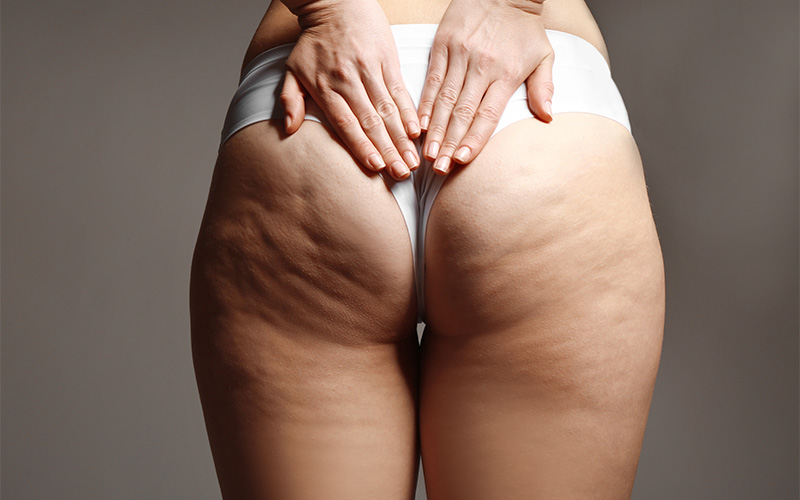
Cellulite creates a dimpled or uneven appearance, usually around the thighs, buttocks, hips or abdomen. It develops when fat beneath the skin pushes upwards while fibrous connective bands pull downwards, creating variations across the skin’s surface.
Despite how often cellulite is discussed as a flaw, it is actually common and is medically considered harmless.
Cellulite is particularly prevalent among women after puberty, although men can develop it too.
Edited photographs and social media filters can make completely smooth skin appear more typical than it really is. This contributes to unnecessary cellulite health concerns and the belief that visible dimpling must reflect poor lifestyle habits.
Misconception 1: Cellulite Means You Are Unhealthy
So, is cellulite unhealthy or an indication that something is wrong with your body?
Cellulite itself is generally a cosmetic concern. It does not ordinarily indicate poor cardiovascular health, metabolic disease, inadequate hygiene or toxins accumulating in the body.
Lifestyle can influence body composition and how noticeable cellulite appears, but its presence alone does not provide a reliable measure of overall health.
A consultation at a medical aesthetic clinic can help distinguish ordinary cellulite from concerns involving skin laxity, localised fat or another change in the treated area. However, an aesthetic assessment should not replace medical evaluation when unusual symptoms are present.
When Should Skin Changes Be Assessed?
Seek medical advice when dimpling develops suddenly or appears alongside:
- Pain, warmth or tenderness
- Persistent swelling or inflammation
- Significant discolouration
- A new lump or pronounced asymmetry
- Rapid changes in skin texture
- Dimpling around the breast
These symptoms are not typical features of ordinary cellulite and may require further investigation.
Misconception 2: Only Overweight People Develop Cellulite
Cellulite can appear in slim, active and physically fit individuals. Weight gain may make it more noticeable in some people, but body size is only one of several contributing factors.
Connective Tissue Structure
The arrangement of connective tissue beneath the skin affects whether underlying fat creates a smooth or dimpled surface. Differences in this structure help explain why cellulite is more commonly visible in women.
Genetics and Hormonal Factors
Inherited characteristics may influence skin thickness, fat distribution and connective tissue. Hormonal changes may also contribute to the development and visibility of cellulite.
Ageing and Skin Elasticity
As collagen and elasticity gradually decline, the skin may become thinner or less firm. This can make existing dimpling more apparent.
These factors explain why the relationship between cellulite and body health is not straightforward. Someone can follow healthy habits and still have visible cellulite.
Misconception 3: Exercise Will Completely Remove Cellulite
Regular exercise supports cardiovascular fitness, muscle tone and healthy body composition. Building muscle may create a firmer-looking surface, while gradual weight management may reduce the prominence of cellulite for some people.
However, exercise cannot directly alter every fibrous band beneath the skin. This means cellulite may remain even when the surrounding muscles are strong and body fat is relatively low.
Rapid weight loss may sometimes make dimpling more noticeable if the skin becomes looser. A sustainable lifestyle remains beneficial for general health, but it should not be treated as a guaranteed cellulite cure.
Misconception 4: Cellulite Can Be Removed Permanently
When considering if cellulite is normal, it helps to recognise that it reflects natural variations in skin, fat and connective tissue rather than a defect that must be corrected.
Available treatments generally aim to reduce its visibility instead of permanently preventing it from returning. Depending on the technology used, treatment may focus on localised fat, fibrous tissue, collagen support or skin firmness.
At an aesthetic centre, options should be selected according to the factors contributing to the dimpling rather than applying the same approach to every patient.
How Treatments May Improve Cellulite
Dr Valentin Low Aesthetic & Laser Clinic offers ONDA Coolwaves™, a non-surgical body-contouring treatment intended to address localised fat, cellulite and skin firmness. The technology uses microwave energy delivered to the treated tissues.
Radiofrequency body treatments are also designed to heat deeper tissue, stimulate collagen and support firmer-looking skin.
Depending on the assessment, treatment goals may include:
- Softening visible dimples
- Improving skin firmness
- Smoothing uneven texture
- Addressing localised contour concerns
Results differ according to cellulite severity, skin quality, body composition, age and individual response. No treatment should be presented as guaranteeing entirely smooth skin.
Setting Realistic Expectations
The question is cellulite unhealthy often comes from the assumption that healthy bodies should have perfectly even skin. In reality, cellulite commonly appears across different body shapes and fitness levels.
An aesthetic doctor can assess whether the main concern involves cellulite, skin laxity, localised fat or a combination of factors. This allows recommendations to be based on your anatomy and treatment goals.
Improvement should be measured through changes in texture, firmness and overall contour, rather than against digitally edited images or the expectation of permanent elimination.
Understanding Cellulite Without the Stigma
For most people asking is cellulite unhealthy, the reassuring answer is no. Cellulite is usually a harmless structural feature influenced by connective tissue, genetics, hormones, body composition and ageing.
Treatment is optional and should be guided by personal preferences rather than pressure to achieve perfectly smooth skin. At Dr Valentin Low Aesthetic & Laser Clinic, suitable options can be discussed based on the treated area, skin quality and desired degree of improvement.
Contact us to arrange a consultation.
Frequently Asked Questions
Can cellulite become worse with age?
It may become more visible as collagen, skin thickness and elasticity decline. Changes in fat distribution can also affect the appearance of dimpling.
Does cellulite mean I have too much body fat?
No. Although additional body fat may make dimpling more prominent, cellulite can also affect lean and physically active people.
Is cellulite the same as cellulitis?
No. Cellulite is harmless skin dimpling, while cellulitis is a bacterial infection that can cause redness, warmth, swelling and pain and requires medical attention.
Is cellulite unhealthy if it suddenly appears?
Ordinary cellulite is not usually harmful. However, sudden dimpling accompanied by swelling, pain, discolouration, inflammation or a lump should be medically assessed.
 Dr Valentin Aesthetic And Laser Clinic Sg