Key Takeaways
- Postpartum shedding is a common female hairline loss concern that begins a few months after delivery as hormone levels return towards their pre-pregnancy state.
- Thinning may be particularly noticeable around the temples and frontal hairline, but it is often temporary.
- Persistent hair thinning may also involve nutritional deficiencies, thyroid conditions or underlying female pattern hair loss.
- Treatment depends on the cause, recovery stage, scalp condition and whether the patient is breastfeeding.
- An assessment with an aesthetic doctor can help determine whether monitoring, lifestyle changes or suitable hair growth treatments should be considered.
Why Female Hairline Loss May Occur After Pregnancy
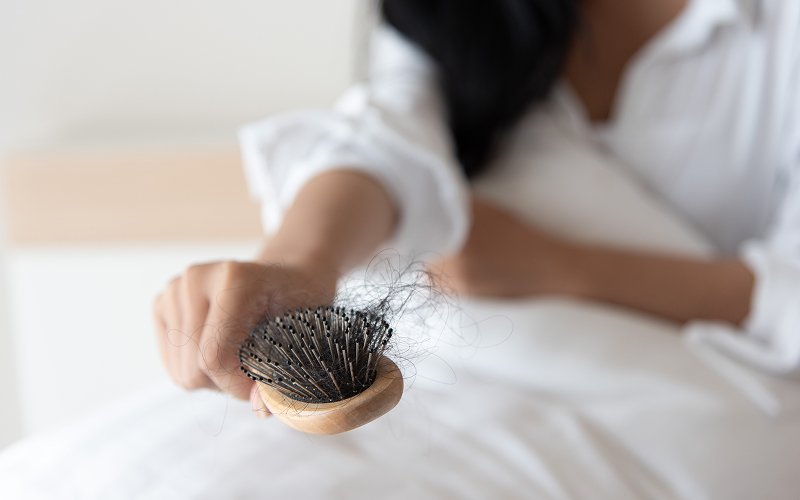
Hair changes can be unsettling at any time, particularly while you are recovering from childbirth and adjusting to caring for a newborn. Some women notice more hair in the shower or on their brush, while others see widening areas around the temples or a less defined frontal hairline.
During pregnancy, higher oestrogen levels keep more hairs in the active growth phase. After delivery, oestrogen levels fall and many of these hairs enter the resting and shedding phases at around the same time. This temporary process is known as postpartum telogen effluvium. It usually becomes noticeable a few months after childbirth and may peak at around four months.
Common signs include:
- Increased shedding during washing or brushing
- Reduced ponytail volume
- Thinning around the temples
- More visible areas of scalp
- Short regrowing hairs along the hairline
Although female hairline loss after pregnancy can appear dramatic, it does not necessarily mean that the follicles have been permanently damaged.
Is Postpartum Female Hairline Loss Reversible?
For many women, postpartum shedding gradually settles as the natural hair cycle stabilises. Hair density may take several months to improve, and regrowth is not always immediately noticeable because new strands initially emerge short and fine.
Fullness may commonly return by around the baby’s first birthday, although individual recovery times can vary.
Further evaluation may be helpful when:
- Shedding continues without improvement
- The hairline becomes progressively thinner
- The central part appears wider
- Bald patches develop
- The scalp is painful, inflamed or unusually itchy
- Hair loss is accompanied by fatigue, weight changes or other symptoms
Persistent thinning may sometimes be associated with low iron levels, nutritional deficiencies, thyroid conditions, physical or emotional stress, or an underlying predisposition to female pattern hair loss. Postpartum shedding can also make a previously subtle receding hairline in women more noticeable.
Medical Assessment and Treatment Planning
Not every case of postpartum hair loss requires active treatment. At a medical aesthetic clinic, the first step should be to establish whether the changes are consistent with temporary shedding or another form of hair loss.
An assessment may consider:
- The location and pattern of thinning
- When shedding began and how it has progressed
- Scalp health and signs of inflammation
- Pregnancy, delivery and breastfeeding history
- Diet, stress levels and sleep quality
- Medical conditions and current medication
- Family history of hair loss
Blood tests may also be recommended where symptoms suggest iron deficiency, thyroid dysfunction or another underlying health issue. Treatment should address the identified cause rather than relying on a standardised hair restoration programme.
Treatment may be directed at areas where postpartum thinning is most noticeable, including the hairline, temples, crown or wider scalp. It is generally more suitable for women with early to moderate hair loss and follicles that are still active, rather than advanced areas of baldness. Patients with scalp infections, inflammation or certain medical conditions may need to address these concerns before treatment, while those who are pregnant should check whether the proposed treatment is suitable.
Treatments for Female Hairline Loss After Pregnancy
Monitoring and Gentle Hair Care
Where shedding is consistent with postpartum telogen effluvium, reassurance and monitoring may be appropriate. The hair cycle often needs time to recover naturally.
During this period, women can minimise avoidable stress on fragile strands by using gentle shampoo, brushing carefully and avoiding tight buns, ponytails or braids. Frequent bleaching, chemical processing and excessive heat styling may also increase breakage and make the hairline appear thinner.
These measures cannot stop hormone-related shedding, but they may help protect existing hair while regrowth develops.
Correcting Nutritional or Medical Factors
Restrictive diets, low iron intake and the physical demands of pregnancy and breastfeeding may affect overall nutritional status. However, supplements should not be started solely for female hair thinning unless a deficiency has been identified or a qualified professional has recommended them.
Adequate protein, iron and a balanced diet support normal hair production. Any suspected thyroid condition, anaemia or other medical issue should be assessed and managed appropriately.
Scalp and Hair Growth Treatments
Where thinning persists or overlaps with another hair loss condition, at an aesthetic centre may discuss treatments intended to support scalp health or follicle activity. The options offered will depend on the pattern and severity of hair loss, the health of the follicles and the patient’s stage of postpartum recovery.
Some treatment plans may involve non-surgical scalp procedures, topical treatment or other medically guided approaches. Results are generally gradual because hair grows in cycles, and more than one session or form of management may be required.
Women who are breastfeeding, trying to conceive or planning another pregnancy should inform their doctor before beginning treatment. Certain medicines, supplements and procedures may not be suitable during these stages.
Hair regrowth occurs gradually, so a course of treatment is usually required rather than a single session. Treatment plans may involve approximately six to 12 sessions depending on the severity of hair loss, with maintenance sessions considered where appropriate. Mild redness, tingling, sensitivity or temporary irritation may occur, although downtime is generally minimal. Individual results and treatment suitability will vary.
Hair Loss Treatment With Dr Valentin Low
Postpartum hairline thinning often improves as the hair growth cycle stabilises. However, consider arranging an assessment if shedding continues beyond the expected recovery period, becomes more noticeable over time or is accompanied by a widening part, temple recession or a family history of hair loss.
These signs may indicate that postpartum shedding is occurring alongside another concern, such as nutritional deficiency, thyroid dysfunction or female pattern hair loss.
At Dr Valentin Low Aesthetic & Laser Clinic, we provide non-surgical hair regrowth treatments for concerns such as postpartum hair loss, early-stage thinning, reduced hair density and female pattern hair loss. These treatments are designed to support the scalp and hair follicles by improving circulation, delivering nutrients to the hair roots and encouraging weakened or dormant follicles to become more active. Depending on individual suitability, treatment may involve low-level laser therapy, radiofrequency scalp treatment, growth factor or peptide-based serums, or microneedling-based scalp therapy.
Contact us to arrange a consultation and learn more about suitable options for postpartum hairline loss.
Frequently Asked Questions
Can tying my hair up worsen postpartum hairline thinning?
Tight hairstyles can repeatedly pull on the frontal and temple areas, potentially contributing to breakage or traction-related hair loss. Use looser styles and soft hair ties, particularly while the hairline is already shedding.
Should I cut my hair after pregnancy to reduce hair loss?
Cutting the hair does not change shedding at the follicle. However, a shorter or more layered hairstyle may make reduced volume easier to manage and minimise tangling or breakage.
Can postpartum hair loss reveal female pattern hair loss?
Yes. Temporary shedding may reduce overall density enough to make an underlying pattern of gradual thinning more visible. An assessment can help distinguish postpartum telogen effluvium from female pattern hair loss or a combination of both.
 Dr Valentin Aesthetic And Laser Clinic Sg