Key Takeaways
- Is laser hair removal painful? This depends on the treatment area, hair thickness, skin sensitivity and individual pain tolerance.
- Many people describe the sensation as brief warmth, prickling or a light snap against the skin rather than severe pain.
- Cooling features and adjustable laser settings may help make treatment more comfortable.
- Multiple sessions are generally needed because hair grows in different cycles.
- An assessment at an aesthetic medical clinic helps determine suitable settings based on your skin tone, hair characteristics and sensitivity.
Why People Worry About Laser Hair Removal
Laser hair removal is commonly used to reduce unwanted hair on areas such as the face, underarms, legs, bikini line and back. However, many people hesitate because they are concerned about pain, skin damage or possible side effects.
So, is laser hair removal painful? Some sensation is expected, but the experience is usually brief and varies considerably between individuals and body areas.
Myth 1: Laser Hair Removal Is Extremely Painful
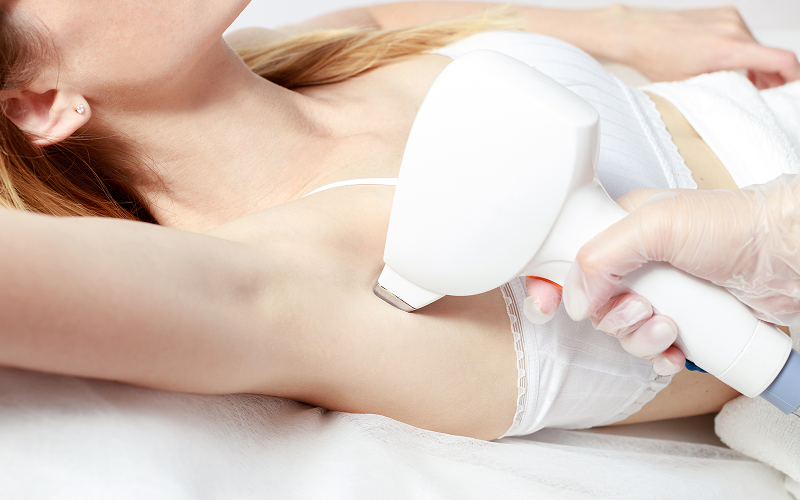
Does laser hair removal hurt? The pain level of laser hair removal is not the same for everyone. Common descriptions of what laser hair removal feels like include:
- A quick warm prickling sensation
- A light snap against the skin
- Short pulses of heat
Areas with thinner skin or denser hair, such as the upper lip, underarms and bikini line, may feel more sensitive. Larger areas such as the arms or legs may be easier to tolerate.
Laser systems may also include cooling mechanisms and adjustable energy settings to support patient comfort. Your pain tolerance for laser hair removal, skin sensitivity and treatment settings will all influence the experience.
Myth 2: Laser Hair Removal Permanently Damages the Skin
Laser hair removal is designed to target pigment in the hair follicle while limiting exposure to the surrounding skin. Temporary redness, warmth or sensitivity may occur after treatment, but these effects commonly settle with appropriate aftercare.
Suitability and risk can vary depending on:
- Skin tone
- Hair colour and thickness
- Recent sun exposure
- Existing skin conditions
- Medication and medical history
An assessment by an aesthetic doctor is important because unsuitable settings may increase the risk of irritation, burns or changes in pigmentation.
Myth 3: One Session Is Enough
Laser hair removal does not usually produce complete results after one appointment. Hair grows through different stages, and treatment is most effective when hairs are in an active growth phase.
Since not every follicle enters this stage at the same time, several sessions are generally required. The number and spacing of appointments depend on the treatment area, hair density, hormonal influences and individual growth patterns.
Results also tend to develop gradually. Some hairs may shed after treatment, while others may return finer or more slowly.
Myth 4: Hair Will Grow Back Thicker
Laser treatment is intended to reduce the activity of targeted hair follicles. It does not normally cause treated hair to become thicker.
However, regrowth may appear uneven between sessions because different follicles are moving through separate growth cycles. Hormonal changes or underlying conditions can also stimulate new hair growth independently of the treatment.
Occasionally, unexpected hair stimulation may occur around certain treatment areas. A professional assessment can help identify risk factors and determine whether laser treatment is suitable.
Myth 5: Laser Hair Removal Is Only for Women
Laser hair removal is used by people of different genders for grooming, convenience and concerns related to repeated shaving.
Common treatment areas include the:
- Face and beard line
- Neck
- Underarms
- Chest and back
- Legs
- Bikini area
Some people seek treatment to reduce shaving irritation or recurring ingrown hairs, while others simply want to spend less time on routine hair removal.
What Affects Treatment Comfort?
Several factors determine the pain level of laser hair removal.
Treatment Area
Sensitive areas and places with dense hair growth may feel more uncomfortable than areas with thicker skin.
Hair Thickness
Coarse, dark hair may absorb more laser energy, particularly during earlier sessions.
Individual Sensitivity
Pain tolerance for laser hair removal varies. Stress, tiredness and hormonal fluctuations may also affect how sensitive the skin feels.
Laser Settings and Cooling
The device, energy level, pulse duration and cooling method can influence comfort. Settings should be adjusted according to the individual rather than applied uniformly.
How to Prepare for Treatment
Your aesthetic centre may provide specific instructions, but common preparation steps include:
- Shaving the area as directed before the appointment
- Avoiding waxing, threading or plucking beforehand
- Limiting tanning and excessive sun exposure
- Pausing irritating skincare products if advised
- Disclosing medication, skin conditions and recent procedures
Avoiding hair removal from the root is particularly important because the laser needs the follicle to remain present.
What to Expect Afterwards
Mild redness, warmth or sensitivity may occur shortly after treatment. The area may feel similar to mildly sun-exposed skin.
For those asking, “is laser hair removal painful?”, these temporary sensations are generally more common than severe or lasting discomfort.
Aftercare may include avoiding strong heat, strenuous exercise, harsh skincare and direct sun exposure for a short period. Sunscreen may also be recommended for exposed treatment areas.
Contact the clinic if you develop persistent pain, blistering or a skin reaction that does not improve as expected.
Speak to Dr Valentin
At Dr Valentin Low Aesthetic & Laser Clinic, patients who are worried about whether laser hair removal will be painful can begin with a personalised assessment. Dr Valentin can evaluate your skin tone, hair thickness, treatment area and sensitivity before recommending suitable laser settings, session intervals and aftercare.
While laser hair removal may involve brief warmth or a snapping sensation, the experience should not be assumed to be unbearable. Comfort measures and adjusted treatment settings can also be considered based on your pain tolerance.
If fear of discomfort has been holding you back, a consultation can help you understand what to expect and whether the treatment is suitable for you.
Contact us to arrange a consultation and discuss whether laser hair removal is appropriate for your concerns.
Frequently Asked Questions
Does laser hair removal hurt more than waxing?
The experience differs by person. Waxing removes many hairs at once, while laser treatment produces repeated brief pulses. Some people find laser treatment easier to tolerate, particularly as hair growth becomes finer.
Which areas are usually the most sensitive?
The upper lip, underarms and bikini area may feel more sensitive because the skin can be thinner and the hair denser. Sensitivity still varies between individuals.
Can numbing cream be used before treatment?
It may be considered for certain areas, but it should only be used if recommended by the treating clinic. Cooling and adjusted laser settings may be sufficient for many patients.
Does laser hair removal become less painful over time?
It may feel more manageable during later sessions as treated hair becomes finer and less dense. However, the sensation can still vary between appointments and body areas.
When should I postpone a laser hair removal session?
Treatment may need to be delayed if the skin is sunburnt, irritated, recently tanned or affected by an active infection. Inform the clinic about any medication changes or recent procedures before treatment.
 Dr Valentin Aesthetic And Laser Clinic Sg