
Key Takeaways
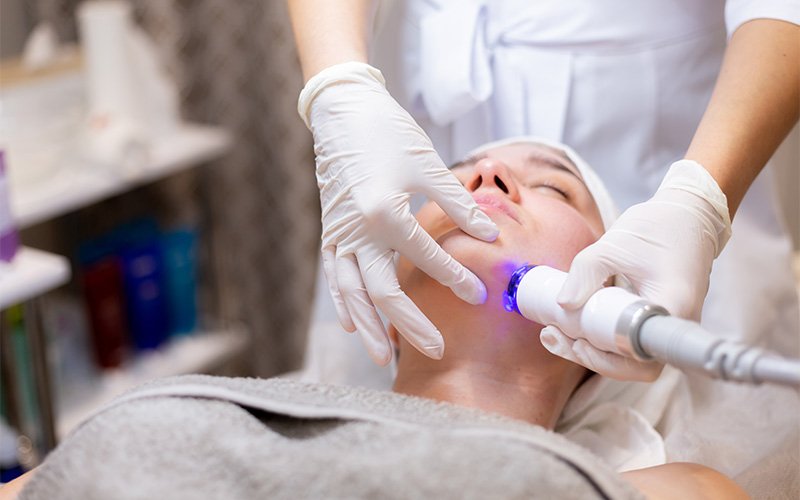
- HIFU stands for High-Intensity Focused Ultrasound and is a non-surgical ultrasound treatment used to support mild skin tightening and facial rejuvenation.
- HIFU skin therapy is commonly considered by individuals in Singapore with early signs of skin laxity, softer facial contours or reduced jawline definition.
- Results are usually gradual because HIFU stimulates a collagen response over time rather than producing an immediate surgical-style lift.
- HIFU may not be suitable for individuals with significant skin laxity, advanced sagging, certain medical conditions or unrealistic expectations.
- A consultation at a medical aesthetic clinic can help determine whether HIFU, or another treatment approach, is more appropriate for your facial structure, skin condition and goals.
Introduction
HIFU (High-Intensity Focused Ultrasound) has become one of the more widely discussed treatments for facial rejuvenation, skin lifting, and facial contouring in areas such as the lower face, jawline, cheeks, brow area, and neck.
While HIFU skin therapy in Singapore may support skin tightening and facial contouring in selected individuals, it is not a universal solution for all ageing concerns. It is usually considered alongside other facial treatments that address concerns such as skin texture, pigmentation, wrinkles, volume loss, or more advanced sagging.
Understanding how the treatment works, what it is designed to address and how it fits into a broader treatment plan is important before deciding whether it is the right option for you.
A Simple Thought Flow: Is HIFU Right for You?
Rather than asking whether HIFU is “good” or “bad”, it may be more useful to consider whether it aligns with your specific concerns and expectations.
Step 1: What Is Your Main Concern?
Start by identifying what you are hoping to improve.
Ask yourself:
- Is my concern mainly mild sagging or reduced firmness?
- Do I want better jawline definition?
- Am I noticing early lower-face heaviness?
- Is my concern actually volume loss, deep folds or significant skin laxity?
HIFU may be more suitable for mild skin tightening and contour support than for major lifting, deep folds or significant sagging.
Step 2: How Noticeable Do You Want the Results to Be?
HIFU is generally associated with:
- Gradual improvement
- Subtle contour changes
- Progressive collagen stimulation
- Natural-looking rejuvenation
If you are looking for a dramatic transformation, HIFU alone may not meet your expectations.
Step 3: How Important Is Downtime to You?
Some individuals prioritise minimal downtime due to work, social commitments, or personal preference.
HIFU is often explored by patients who prefer a non-surgical ultrasound treatment with relatively manageable recovery. However, individual experiences still vary, and temporary redness, tenderness or swelling may occur.
Step 4: Are You Comfortable With Gradual Results?
HIFU does not usually produce its full effect immediately. Since collagen remodelling takes time, visible changes may appear progressively.
If you are preparing for a specific event, it is important to discuss timing during consultation. This helps set more realistic expectations about when results may become noticeable.
Step 5: Are You Open to Maintenance?
Collagen naturally continues declining with age. This means non-surgical treatments may require maintenance over time.
HIFU should not be viewed as a permanent one-time solution. For some individuals, it may be part of a longer-term skin maintenance or rejuvenation plan.
What Is HIFU and How Does It Work?
HIFU stands for High-Intensity Focused Ultrasound. It is a non-surgical treatment that uses focused energy to target specific tissue layers beneath the skin, producing controlled thermal effects at precise depths while leaving the skin surface largely intact.
In aesthetic medicine, HIFU is commonly considered for concerns such as mild skin tightening, facial contouring, jawline definition, brow lifting, lower-face lifting, mild neck laxity and early skin looseness.
Unlike treatments that primarily target the skin’s surface, HIFU targets the deeper support layers beneath the skin. The controlled heating effect is intended to stimulate the body’s natural collagen remodelling response over time. Since collagen contributes to skin firmness, elasticity and support, this process may help improve the appearance of mild sagging, reduced firmness and softer facial contours in suitable individuals.
Because collagen production develops gradually, HIFU results are usually progressive rather than immediate. Some individuals may notice subtle early tightening, while more visible changes may continue to develop over several weeks or months.
However, HIFU does not remove excess skin, replace lost facial volume or reposition tissues in the same way that surgery can. Its role is more commonly associated with gradual tightening support and non-surgical facial treatment for individuals with suitable concerns and realistic expectations.
Who Is HIFU Commonly Considered For?
HIFU is generally more suitable for individuals with mild to moderate skin laxity than for those with advanced sagging.
It may be considered by the following groups.
Individuals in Their 30s to 50s With Early Ageing Concerns
Many individuals who explore HIFU are starting to notice early facial ageing changes, such as:
- Softer jawline definition
- Mild cheek sagging
- Early lower-face heaviness
- Mild neck laxity
- Reduced skin firmness
At this stage, the skin may still retain enough elasticity and collagen responsiveness for non-surgical lifting approaches to provide subtle support.
This does not mean HIFU is only suitable within a specific age range. Suitability depends more on skin condition, anatomy, treatment history and expectations than age alone.
Individuals Seeking Non-Surgical Options
Some individuals are not ready for surgical procedures or prefer treatment options that are less invasive. They may be looking for:
- Minimal downtime
- Gradual-looking changes
- Lower disruption to work or daily routines
- A non-surgical approach to rejuvenation
- Maintenance of facial firmness over time
For these individuals, HIFU may be considered as part of a non-surgical skin tightening plan.
Individuals Looking for Preventive Skin Support
Some patients explore HIFU earlier as part of a broader skin maintenance strategy before more advanced ageing changes develop.
This approach is sometimes referred to as “prejuvenation”. However, treatment should still be based on a proper assessment rather than age alone. Starting earlier does not automatically mean better results, and not everyone with early signs of ageing needs HIFU.
Who May Not Be Suitable for HIFU?
HIFU may not be the most appropriate option for everyone. A proper consultation is important because different ageing concerns require different treatment approaches.
Individuals With Significant Skin Laxity
More advanced sagging or heavy tissue descent may not respond adequately to non-surgical ultrasound alone.
For individuals with significant excess skin or more pronounced facial descent, surgical options may be more appropriate for substantial lifting. HIFU may still have a role in selected cases, but expectations need to be carefully managed.
Individuals Expecting Dramatic or Immediate Results
HIFU generally produces gradual and relatively subtle improvements compared with surgery.
Individuals expecting major facial reshaping, dramatic lifting or instant results may find that HIFU does not match their expectations.
This is why consulting an aesthetic doctor in Singapore can be helpful. The doctor can assess whether the expected outcome is realistic or whether another treatment may be more suitable.
Individuals With Volume Loss as the Main Concern
Not all ageing concerns are caused by skin laxity. Some are related to volume loss, in which the face appears hollow, flat, or tired due to changes in fat pads, bone structure, or soft-tissue support.
HIFU does not replace lost volume. If volume loss is the main concern, other treatment options may need to be discussed instead.
Individuals With Certain Skin or Medical Conditions
Treatment suitability may vary depending on factors such as:
- Skin condition
- Facial anatomy
- Medical history
- Active skin infection or inflammation
- Existing implants or devices in the treatment area
- Previous aesthetic treatments
- Sensitivity, pain tolerance or healing response
This is why HIFU should not be treated as a one-size-fits-all procedure. A proper assessment at a medical aesthetic clinic helps reduce the risk of unsuitable treatment planning.
How Dr Valentin Assesses and Plans HIFU Treatments
At Dr Valentin, HIFU treatments begin with a personalised consultation to determine whether HIFU skin therapy in Singapore is suitable for your concerns, facial anatomy and aesthetic goals.
Assessing Your Skin and Facial Concerns
During the consultation, the doctor may assess factors such as skin laxity, skin thickness, facial proportions, jawline definition, neck condition, medical history, previous aesthetic treatments, main areas of concern and desired treatment outcome. This helps clarify whether HIFU is an appropriate option or whether another treatment approach may be more suitable.
Determining Whether HIFU Is Suitable
For example, a person with mild skin laxity, early facial sagging, reduced jawline definition or lower-face heaviness may be a suitable candidate for HIFU skin therapy in Singapore. However, someone with significant sagging, prominent volume loss or deeper folds may require a different treatment plan.
Our clinic focuses on personalised assessment rather than applying the same approach to every patient. Factors such as skin elasticity, degree of laxity, facial structure, lifestyle considerations and desired outcomes are considered when determining where HIFU may fit within a broader facial rejuvenation strategy.
What to Expect After Treatment
After treatment, recovery experiences may vary, though many individuals have little to no downtime. Temporary effects may include mild redness, tenderness, slight swelling, temporary skin sensitivity or mild soreness in the treated areas.
Some individuals may notice subtle tightness shortly after treatment, although collagen remodelling typically develops gradually over time. Treatment timelines and outcomes may vary depending on skin condition, age, degree of laxity, treatment intensity, collagen response, lifestyle factors and overall skin quality.
Post-Treatment Care and Follow-Up
While HIFU is non-surgical, it is still an energy-based treatment and should be approached with appropriate care. Patients will also be advised on post-treatment care where needed, so they understand what to expect after the procedure and how to manage the recovery period.
Why Medical Assessment Matters Before HIFU
HIFU uses focused ultrasound energy beneath the skin. While it is non-surgical, it should still be planned carefully.
A consultation at an aesthetic clinic in Singapore, like Dr Valentin, helps determine:
- Whether your concern is caused by laxity, volume loss, skin quality changes or another factor
- Whether HIFU is suitable for your face and skin condition
- Which areas should be treated
- What level of improvement may be realistic
- Whether a combination approach may be more appropriate
- How treatment fits into your longer-term aesthetic goals
This is especially important because facial ageing is rarely caused by a single factor. Skin laxity, collagen decline, volume changes, bone structure and lifestyle factors can all contribute to how the face changes over time.
A personalised assessment helps avoid treating the wrong concern with the wrong treatment.
Conclusion
HIFU is a non-surgical treatment that may support mild skin tightening, lifting and rejuvenation in suitable individuals using ultrasound. It is commonly considered by those who want gradual, natural-looking improvements without surgery or extended downtime.
However, HIFU is not suitable for every ageing concern. It may be less appropriate for individuals with significant sagging, major volume loss or expectations of dramatic immediate results.
The most important step is understanding whether your concern is something HIFU can reasonably address. A personalised consultation can help assess your skin condition, facial anatomy and goals before deciding on a treatment plan.
At Dr Valentin, we take an individualised approach to HIFU skin therapy in Singapore, focusing on careful assessment, realistic expectations and tailored treatment planning.
Contact us to book a consultation and find out whether HIFU may be suitable for your concerns.
Frequently Asked Questions
Is HIFU painful?
Some individuals may feel warmth, tingling, prickling or brief discomfort during treatment, especially over bony areas or more sensitive regions. Comfort levels vary from person to person.
The treatment experience may also depend on the treatment area, energy settings and individual pain tolerance.
How soon can I see results after HIFU?
Some individuals may notice subtle tightness shortly after treatment, but HIFU results are usually gradual. This is because the treatment remodels collagen, which takes time.
More noticeable changes may develop over several weeks or months, depending on individual collagen response and skin condition.
How long do HIFU results last?
The duration of results varies between individuals. Factors such as age, skin quality, degree of laxity, lifestyle habits and natural ageing can all influence how long the effects remain noticeable.
Maintenance treatments may be discussed depending on your skin condition and goals.
Can HIFU replace a facelift?
HIFU does not replace a surgical facelift. It may support mild skin lifting and tightening in suitable individuals, but it does not remove excess skin or reposition deeper facial tissues as surgery can.
Individuals with more advanced sagging may need to consider other options.
Is HIFU suitable for younger individuals?
HIFU may be considered for some younger individuals with early signs of laxity or those seeking preventive skin support. However, not everyone needs HIFU simply because they are starting to notice early signs of ageing.
A consultation with an aesthetic doctor in Singapore can help determine whether HIFU is appropriate.
Can HIFU be combined with other treatments?
In some cases, HIFU may be part of a broader rejuvenation plan. Other treatments may address skin texture, pigmentation, hydration, wrinkles or volume loss.
The right combination depends on the individual’s concerns and should be discussed during consultation at a medical aesthetic clinic.
Is there downtime after HIFU?
Many individuals experience little to minimal downtime, although temporary redness, tenderness, swelling or sensitivity may occur.
Recovery experiences vary, so it is important to follow the post-treatment advice provided by your clinic.
 Dr Valentin Aesthetic And Laser Clinic Sg