Key Takeaways
- Spider veins on the face are small visible blood vessels that commonly appear around the nose, cheeks, chin, and jawline.
- They may develop due to factors such as sun exposure, genetics, ageing-related skin changes, frequent flushing, rosacea, or skin irritation.
- Not all facial redness is caused by thread veins. Rosacea, acne, eczema, and skin barrier irritation can also create a red or sensitive-looking complexion.
- Vascular laser and selected light-based procedures may help reduce visible facial vessels, depending on the individual’s skin condition and treatment suitability.
- An aesthetic doctor can help determine whether redness is caused by isolated vessels, rosacea-related changes, sensitivity, or a combination of concerns.
Introduction
Spider veins on the face are small, visible blood vessels that appear close to the skin’s surface, often around the nose, cheeks, chin, or jawline. They are usually harmless, but may contribute to persistent facial redness, uneven skin tone, or a complexion that appears easily flushed.
Treatment options may include vascular laser or light-based procedures, although the most suitable approach depends on the type of vessels present, your skin sensitivity, and whether there are other contributing concerns such as rosacea or chronic irritation.
Many people in Singapore notice facial redness after exercise, heat exposure, spicy food, alcohol, or emotional flushing. In some cases, the redness settles quickly. In others, fine red or purple lines remain visible even when the skin is calm.
These small vessels are often described as spider veins, broken capillaries, or thread veins on face. Understanding why they develop can help you decide whether a professional assessment may be helpful.
What Are Spider Veins on the Face?
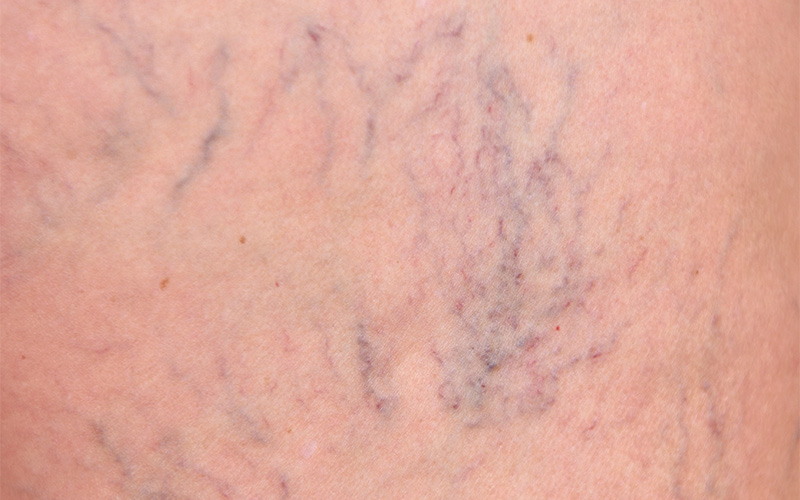
Spider veins are small dilated blood vessels located close to the surface of the skin. The clinical term for these visible vessels is telangiectasia.
They may appear as:
- Fine red, purple, or bluish lines
- Small branching or web-like patterns
- Clusters of visible capillaries
- Persistent redness in a concentrated area
Facial spider veins are different from varicose veins, which are larger and more commonly seen on the legs. They are typically a cosmetic concern, although they may appear alongside other skin conditions that cause redness or sensitivity.
Where Do Spider Veins Commonly Appear on the Face?
Visible blood vessels on face tend to appear in areas where the skin is thinner, regularly exposed to sunlight, or prone to flushing.
Common areas include:
- Sides of the nose
- Cheeks
- Around the nostrils
- Chin
- Jawline
- Under-eye area in some individuals
Some people notice only a few isolated vessels. Others may experience broader redness across the cheeks or nose with fine visible capillaries.
What Causes Spider Veins on the Face?
Facial spider veins usually develop due to a combination of skin characteristics, environmental exposure, and vascular tendencies.
Sun Exposure and Ageing-Related Skin Changes
Regular UV exposure can affect collagen and elastin within the skin. As the skin gradually becomes thinner or loses some of its structural support, superficial blood vessels may become easier to see.
Ageing can also make existing vessels appear more visible. However, facial thread veins can affect younger individuals too, especially those with sensitive skin, frequent flushing, or a history of significant sun exposure.
Genetics and Skin Type
Some individuals are naturally more prone to visible vessels due to inherited skin and vascular characteristics.
This may be more common in people with:
- Thinner or more translucent skin
- Fairer skin tones
- A family history of facial redness or visible capillaries
- Greater sensitivity to heat or temperature changes
- A tendency to flush easily
Rosacea and Frequent Flushing
Rosacea is a chronic skin condition that may involve persistent redness, flushing, sensitivity, visible blood vessels, and acne-like bumps.
Not everyone with spider veins has rosacea. However, visible vessels may develop alongside rosacea-related changes, especially when facial flushing happens frequently.
Common flushing triggers may include:
- Hot weather
- Hot drinks
- Spicy food
- Alcohol
- Exercise
- Saunas or steam rooms
- Emotional stress
Singapore’s hot and humid climate may make flushing more noticeable for some individuals. However, climate is only one possible factor, as genetics, skincare habits, and underlying skin conditions may also contribute.
Skin Irritation and Barrier Disruption
Visible vessels may become more noticeable when the skin is irritated or inflamed.
Potential contributors include:
- Aggressive scrubbing or exfoliation
- Overuse of acids, retinoids, or other active ingredients
- Harsh or fragranced skincare products
- Unprotected sun exposure
- Eczema, dermatitis, or other inflammatory skin conditions
While irritation does not always directly cause spider veins, it can worsen redness and make the skin appear more reactive.
How Are Spider Veins Different From General Facial Redness?
Not all facial redness is caused by visible vessels. The appearance may overlap, but the underlying causes can differ.
| Concern | Typical Appearance | Other Possible Features |
|---|---|---|
| Spider veins | Fine red, purple, or bluish lines | Isolated visible vessels or small clusters |
| Temporary flushing | Redness that comes and goes | Often linked to heat, exercise, spicy food, or alcohol |
| Rosacea | Persistent redness across the cheeks or nose | Sensitivity, flushing, visible vessels, acne-like bumps |
| Acne-related redness | Redness around blemishes or healing marks | Active pimples, clogged pores, uneven texture |
| Skin irritation | Patchy or diffuse redness | Dryness, itching, burning, flaking, or stinging |
This distinction matters because facial redness treatment should address the underlying concern, rather than focusing only on the visible appearance of the skin.
Treatment Options for Facial Spider Veins
The most suitable treatment depends on the size, colour, and location of the vessels, as well as your skin tone, sensitivity, and whether there are other concerns such as rosacea or pigmentation.
Vascular Laser Treatments
Vascular lasers are commonly used to treat visible facial veins. These treatments target haemoglobin within the blood vessels, allowing the treated vessels to gradually fade over time while minimising effects on the surrounding skin.
They may be considered for:
- Fine facial veins
- Redness around the nose
- Small clusters of visible capillaries
- Diffuse vascular redness
- Selected rosacea-related vascular changes
Some individuals may see improvement after one treatment, while others may require a series of sessions depending on the extent of redness and the number of visible vessels.
Light-Based Treatments
Selected light-based treatments may also be considered for broader redness or diffuse vascular concerns.
These treatments may be more appropriate when redness is spread across a larger area rather than limited to a few visible veins. Suitability depends on skin tone, pigmentation risk, sensitivity, and whether active inflammation is present.
Skincare and Barrier Support
Skincare alone cannot remove established spider veins. However, a gentle skincare routine may help reduce irritation and support the skin before and after treatment.
This may include:
- Using a mild cleanser
- Applying a fragrance-free moisturiser
- Wearing broad-spectrum sunscreen daily
- Avoiding unnecessary scrubbing or over-exfoliation
- Introducing stronger active ingredients gradually
For individuals prone to flushing or rosacea-related sensitivity, reducing known triggers may also form part of long-term skin management.
What to Expect After Treatment
Recovery varies according to the treatment used, the intensity of the procedure, and individual skin response.
Temporary effects may include:
- Mild redness
- Localised swelling
- Slight tenderness or warmth
- Temporary darkening of treated vessels
- Mild bruising in some cases
Treated vessels may not disappear immediately. They may temporarily become darker before gradually fading.
Aftercare may involve avoiding excessive heat, strenuous exercise, alcohol, strong skincare actives, and sun exposure for a period advised by your doctor. Sun protection is particularly important, as the skin may be more sensitive to UV exposure during recovery.
Can Facial Spider Veins Return?
A treated vessel may fade or become less visible after treatment. However, new visible blood vessels can still develop over time.
This may be influenced by:
- Genetics
- Sun exposure
- Ageing-related skin changes
- Rosacea or frequent flushing
- Heat exposure
- Skin sensitivity
- Lifestyle triggers
Maintenance treatment may be considered for some individuals, particularly if they remain prone to recurrent facial redness or visible vessels. If you notice that redness or visible vessels are becoming more noticeable over time, visiting a medical aesthetic clinic can help you understand the possible contributing factors and discuss whether ongoing management or further treatment may be suitable.
When Should You Seek an Assessment?
Consider seeking professional advice if you notice:
- Persistent redness that does not settle
- Increasing numbers of visible vessels
- Frequent flushing triggered by heat, alcohol, or spicy food
- Burning, stinging, or ongoing sensitivity
- Acne-like bumps alongside redness
- Eye dryness or irritation together with facial flushing
- Sudden changes in the appearance of your skin
A consultation can help distinguish between spider veins, rosacea, irritation, acne-related redness, and other concerns that may need different forms of management.
Facial Spider Vein Treatment at Dr Valentin Low
At Dr Valentin Low, facial redness and visible blood vessels are assessed based on your individual skin condition, sensitivity, and treatment goals.
At our medical aesthetic clinic in Paragon, treatment planning may involve vascular-focused laser procedures, selected light-based treatments, skincare guidance, and redness management strategies where appropriate. The aim is to identify whether your concern involves isolated spider veins, diffuse facial redness, rosacea-related changes, skin sensitivity, or a combination of factors.
If you are concerned about visible facial blood vessels, persistent redness, or recurring flushing, contact us to arrange a consultation and discuss suitable treatment options for your skin.
Frequently Asked Questions
Can skincare remove spider veins on the face?
Skincare cannot remove established spider veins or visible capillaries. However, gentle products, regular moisturising, and daily sun protection may help reduce irritation and prevent redness from becoming more noticeable. For persistent visible vessels, an assessment may be needed to determine whether vascular laser or light-based treatment is suitable.
How many treatments are needed for facial spider veins?
The number of sessions varies depending on the size and number of visible vessels, the extent of facial redness, and how your skin responds to treatment. Some isolated vessels may respond after one session, while diffuse redness or rosacea-related vascular changes may require a series of treatments.
Is treatment for facial spider veins painful?
Most individuals describe vascular treatments as mildly uncomfortable rather than painful. The sensation is often compared with a brief snapping or warming feeling on the skin. Your doctor may adjust the treatment settings according to the area being treated, your skin condition, and your comfort level.
 Dr Valentin Aesthetic And Laser Clinic Sg